
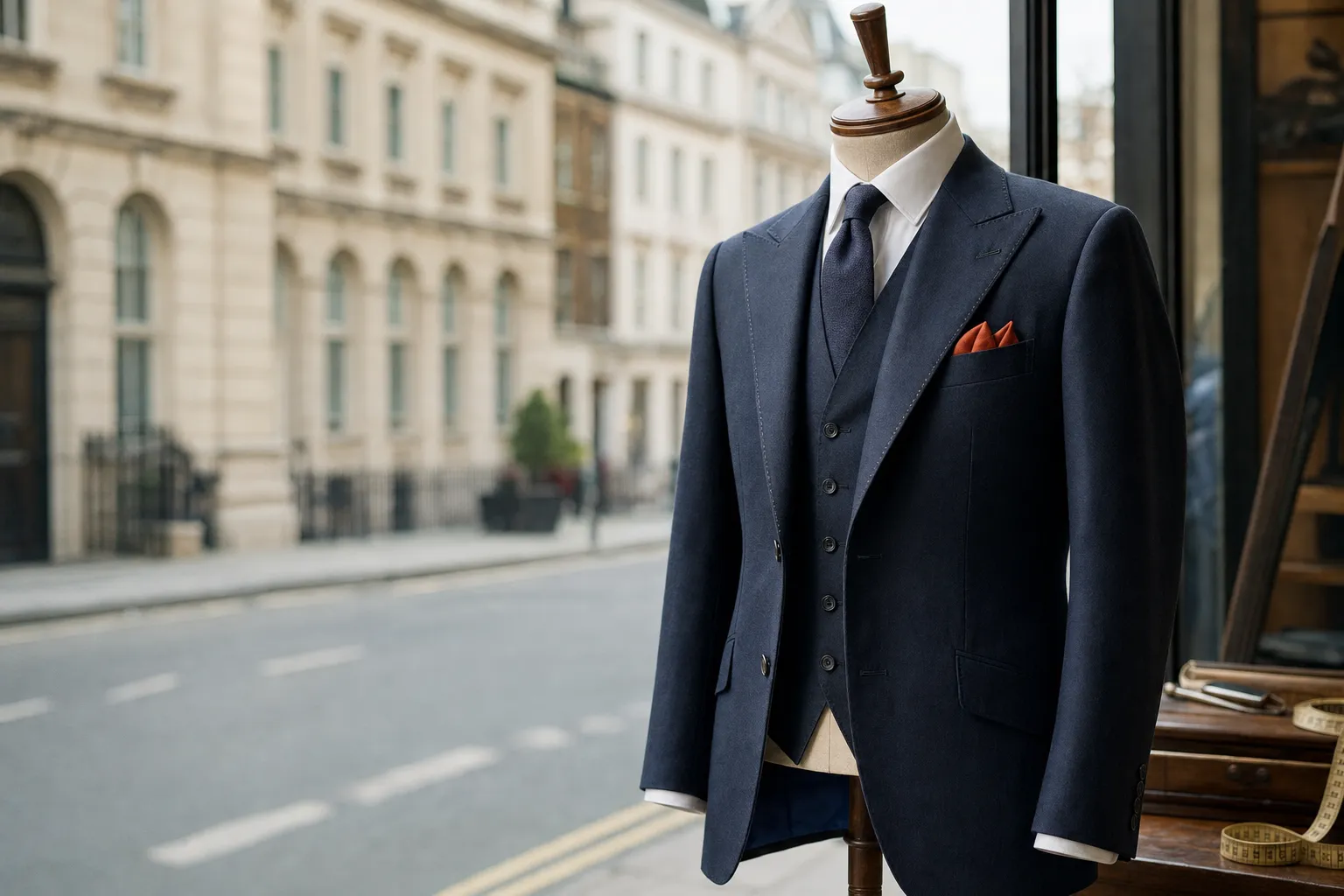
We adapt morning suit construction and our jacket care process so a morning suit made for a woman fits, looks and endures: that means bespoke pattern adjustments, choices of suitable fabrics and linings, and a planned approach to pressing, storage and occasional professional finishing that protects shape and details.
What we mean by tailored morning suits and ladies jacket care
Tailored morning suits are formal daywear that follow traditional lines but are cut and finished to an individual. Ladies jacket care covers the ongoing maintenance a woman needs to keep a tailored jacket in good condition, from hanging and pressing to seasonal storage and repair. When the two meet we take decisions that protect form, respect styling and make maintenance straightforward for the wearer.
Why this matters in Lambeth and London
Formal events, weddings and corporate occasions in Lambeth, South Bank and central London often call for morning dress adapted for women. A morning suit made without attention to jacket care and female tailoring lines can lose its shape or look unsympathetic to the wearer. We see clients who want morning suits that are both authentic in detail and practical to care for between events. Good tailoring reduces the need for intrusive repairs and keeps the garment ready for repeated wear.
Key concepts to understand
- Pattern adaptation. Women’s jackets need different darting, waist shaping and shoulder treatment compared with men’s morning suits.
- Fabric and lining choice. Fibre content and weave determine how a jacket hangs, how it presses and how often it needs professional care.
- Construction details. Canvassing, lapel roll and seam finishing influence long term shape and the care a jacket requires.
- Pressing and finishing. A press restores cloth shape without flattening the structure that gives the jacket its character.
- Storage and seasonal care. Proper storage avoids shoulder distortion, moth damage and creases.
How we approach a morning suit for a woman
Our process emphasises fit, fabric and a care plan. We start with a consultation to establish event requirements, style preferences and practical needs. That informs fabric choice and the construction technique we propose. Measurements and fittings follow, and we discuss how you will store, press and maintain the jacket after you leave the studio.
Tailoring choices that affect care
Some decisions in the studio make a jacket simpler to maintain. For example, a full-canvas construction gives better long term shape but can benefit from occasional professional pressing. A half-canvas or fused finish may need less heavy pressing but will behave differently in humidity and wear. We explain the trade offs so you can choose what matters most to you.
What we do during fittings
During fittings we check balance, sleeve length, collar roll and how the jacket sits with waistcoats and trousers. We test movement to ensure the shoulder and armhole do not bind. Where necessary we alter pattern lines to remove drag and folding that would invite frequent pressing or distortion.
Key signs that a ladies jacket needs professional care
- Visible shoulder distortion or creasing across the back.
- Flattened lapels and loss of collar roll.
- Persistent marks after usual brushing or airing.
- Fraying or loose lining at seams.
- Serious odour or stains that home cleaning cannot resolve.
Care practices we recommend, and why we do not advise DIY extreme measures
We advise a practical mix of at-home and professional care. Light daily upkeep such as airing a jacket after wear, brushing with a soft clothes brush and using a shaped hanger prevents many issues. For pressing, steam and a tailored hand press applied by a professional protect structure and avoid crushing canvass and padding. We do not publish step by step pressing instructions because pressing and reblocking a jacket alters its structure if done incorrectly, and that work is best left to specialists.
We are licensed and insured. For pieces that need structural reshaping or reblocking, professional handling preserves the proportions we created at the fitting.
Choosing fabrics and linings with care in mind
Fabric choice is the most important single decision that affects maintenance. We favour worsted wools for morning suits because they hold a crease, resist wrinkling and respond well to pressing. Flannels, cashmere blends and silk faced cloths have different needs and can show wear faster in high friction areas. We will discuss these trade offs at the consultation and link fabric behaviour to how often you should expect professional maintenance.
Linings affect how a jacket moves over garments and how it breathes. A silk or viscose lining looks and feels luxurious but may require more careful cleaning; a cupro lining balances performance and careability.
For more on cloths and how they behave, read our topic on suit fabrics.
Common questions people ask before commissioning a morning suit
- Will a morning suit for a woman look traditionally correct? Yes. We preserve the classic morning silhouette while tailoring waist and shoulder lines for a feminine fit.
- How often will it need professional pressing? That depends on fabric and frequency of wear. For regular use expect an annual professional press or reblock, with light maintenance in between.
- Can I have removable components such as a waistcoat? Yes. Removable elements make laundering and repairs simpler and reduce wear on the jacket.
- Will altering the lining change the jacket’s care needs? Some linings are more resilient than others. We advise linings that marry aesthetic and performance goals.
Comparison: off the peg ladies jacket versus tailored morning suit adaptation
| Feature | Off the peg ladies jacket | Tailored morning suit adaptation |
|---|---|---|
| Fit | Standardised, may need alterations | Custom patterning for shoulder, waist and bust |
| Construction | Often fused or partial construction | Choice of full or half canvass, reinforced details for longevity |
| Care | Usually lighter maintenance, but may lose shape when altered | Planned care route, easier to reblock and press without losing silhouette |
Checklist for your fitting and care conversation
Prepare for your fitting
- Bring the outfit you plan to wear underneath, for example a waistcoat, shirt or blouse.
- Bring shoes of the expected height so we check skirt or trouser lengths accurately.
- Tell us about your event and how often you expect to wear the suit.
- Note any allergies or preferences for fibre content.
Pro tip: If you plan occasional use for weddings and formal events, choose a slightly more robust cloth and avoid ultra lightweight novelty fabrics. That reduces maintenance and helps the jacket keep its shape between professional visits.
Related services and how they help
We offer related work that supports long term care and suitability of a morning suit for a woman. These services include our Tailored Morning Suits service for event specific tailoring, and the Tailored Ladies Jackets service for standalone jacket commissions. For wedding needs we tailor matching pieces through our Tailored Wedding Suits offering, which coordinates fabric and care across multiple garments.
Related locations and occasions we frequently serve
Dress2Kill is based in London and we regularly serve clients from Lambeth, Vauxhall, Kennington and the City who attend weddings, races and formal civic events. To find our studio locations and practical travel information, see our London locations page.
Helpful resources and further reading
For authoritative guidance on textile labelling and care instructions refer to UK government guidance on labelling of textile products. The British Fashion Council and the School of Design at a number of UK universities publish material on fabric performance and sustainable care practices which are useful when choosing cloth. We recommend checking care labels and the manufacturer guidance that comes with your fabric and lining choices.
For related technical topics on our site, you may also find these pages helpful: Morning Suit Fit, Jacket Care and Jacket Fabrics.
Frequently asked questions
How do you adapt a morning suit pattern for a woman?
We alter block patterns to account for shoulder slope, bust shaping and waist proportion, and we check balance with fittings. This preserves the morning suit silhouette while making the jacket comfortable and flattering.
Which fabrics are easiest to care for between professional visits?
Worsted wool and wool blends with stable weaves resist creasing and brush clean well. Silk faced cloths and soft cashmere blends need gentler handling and may require more frequent professional finishing.
Can tailoring make a jacket more moth resistant?
Tailoring alone does not prevent moth damage. Use good storage practices, breathable garment bags and occasional professional moth treatment if you store wool garments for long periods.
Will altering a vintage jacket to a morning suit style affect its value?
Altering a heritage or vintage jacket can change provenance and value. We advise documenting any significant changes and, where value matters, seeking conservation minded tailoring that preserves original features.
How often should a morning suit be reblocked or repressed?
For moderate use a professional press or reblock every 12 months is common. Heavy use or visible distortion will require attention sooner. We assess this at fittings and during service visits.
Do you provide repairs and relining as part of care?
We offer repairs, partial relining and full relining services when a jacket requires it. Our tailors inspect the lining, seams and canvas, and recommend work that restores function without compromising style.
Key takeaway
Combining careful tailoring with a sensible care plan keeps a ladies morning suit looking and fitting as intended. Choose cloth and construction with maintenance in mind, follow simple daily upkeep, and rely on professional pressing and repairs for structural work.
Helpful contacts and next steps
To read what other clients say and to get directions to our studio, view Dress2Kill’s Google Business Profile. For more in depth guidance about suit construction and fit, see our pages on Morning Suit Fit and Jacket Care.